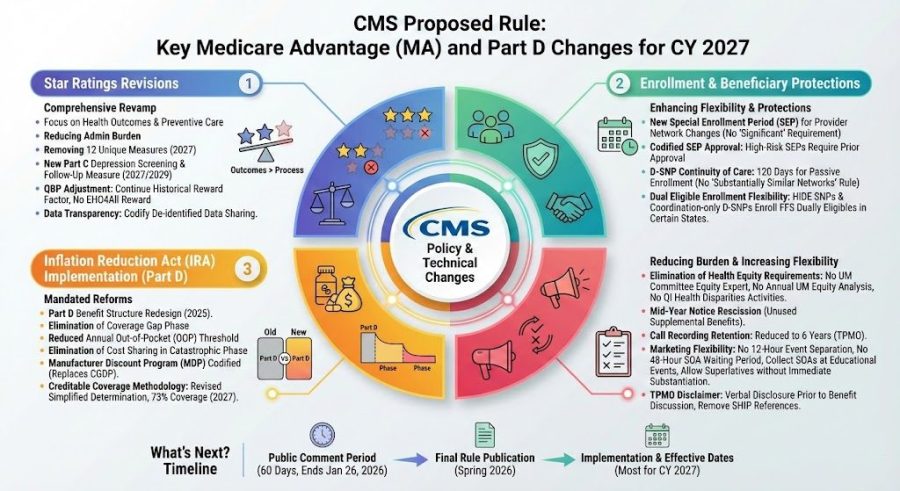
Managing healthcare expenses is an important consideration for individuals approaching retirement and those already receiving Medicare benefits. Understanding 2027 Medicare Advantage plans can help beneficiaries evaluate different coverage options, estimate potential medical costs, and make informed decisions about their healthcare budgets. Although these plans may offer several benefits, knowing how premiums, deductibles, copayments, and coinsurance work is essential for choosing suitable coverage.
Understanding Medicare Advantage Premiums
Medicare Advantage, also known as Medicare Part C, provides an alternative way to receive Medicare Part A and Part B benefits through Medicare-approved private insurance providers. Each plan has its own pricing structure, which can influence the total amount beneficiaries spend throughout the year.
Some plans offer an additional monthly premium, while others advertise a zero-dollar plan premium. However, beneficiaries generally remain responsible for paying their Medicare Part B premium. Therefore, understanding the difference between the plan premium and the standard Medicare payment is important when calculating monthly healthcare expenses.
Premium amounts may vary according to location, coverage structure, and available benefits. Reviewing these details helps individuals develop realistic expectations about their healthcare budgets.
What Are Deductibles?
A deductible is the amount a beneficiary must pay for certain covered healthcare services before the insurance plan begins sharing the eligible costs. Different Medicare Advantage plans may have different deductible arrangements.
Some plans may have no medical deductible, while others require members to pay a specific amount before certain benefits become available. Prescription drug coverage may also have a separate deductible.
Beneficiaries should carefully examine these requirements because deductibles can influence how much they spend at the beginning of a coverage year.
Understanding Copayments and Coinsurance
Copayments and coinsurance are common forms of cost-sharing under Medicare Advantage coverage.
A copayment is a fixed amount paid when receiving a particular healthcare service. For example, a plan may require a specific payment for a primary care appointment, specialist consultation, or prescription medication.
Coinsurance represents a percentage of the approved cost of a covered service. The amount a beneficiary pays depends on the plan’s terms and the service received.
These expenses can vary considerably between plans. Comparing cost-sharing requirements for frequently used medical services can help individuals identify coverage that aligns with their healthcare needs.
The Importance of Annual Out-of-Pocket Maximums
One important feature of Medicare Advantage plans is the annual out-of-pocket maximum for covered Medicare Part A and Part B services. This amount establishes a yearly limit on eligible cost-sharing expenses.
Once beneficiaries reach the plan’s applicable maximum, they generally pay nothing for additional covered Part A and Part B services for the remainder of that year.
However, certain expenses, including monthly premiums, prescription drug costs, and services not covered by the plan, may not count toward this maximum. Understanding these exclusions is important when evaluating overall financial protection.
Consider Prescription Drug Expenses
Prescription medications can contribute significantly to annual healthcare spending. Many Medicare Advantage plans include Part D prescription drug coverage, helping beneficiaries manage medication-related expenses.
Before selecting a plan, individuals should review the covered medication list, pharmacy requirements, copayments, and applicable deductibles. They should also consider whether their regular prescriptions fall into different pricing categories.
Checking these details can help beneficiaries avoid unexpected medication expenses.
Compare Additional Benefits and Costs
Some plans provide additional services such as dental care, vision examinations, hearing assistance, and wellness programs. These benefits can offer added convenience, but their coverage limits and eligibility conditions should be reviewed carefully.
A plan with attractive additional benefits may have different premiums or cost-sharing arrangements. Therefore, comparing the complete coverage structure is more useful than evaluating individual benefits separately.
Make Informed Healthcare Budgeting Decisions
Choosing suitable healthcare coverage requires balancing monthly affordability with potential medical expenses. Beneficiaries should examine premiums, deductibles, copayments, coinsurance, prescription costs, and annual out-of-pocket limits.
By understanding these financial details before enrollment, individuals can select coverage that better supports their healthcare requirements and financial priorities. Careful planning can make managing medical expenses more predictable and help beneficiaries approach 2027 with greater confidence.
What You Need to Know
- Beneficiaries should understand the 2027 Medicare Advantage plans to evaluate coverage options and estimate potential medical costs.
- Medicare Advantage plans, also known as Medicare Part C, vary in pricing structure, influencing the total yearly expenses for beneficiaries.
- A deductible is the amount beneficiaries must pay out-of-pocket for certain healthcare services before insurance coverage begins, which can differ by plan.
- Copayments are fixed costs for specific healthcare services, while coinsurance is a percentage of the service cost, both varying significantly between plans.
- The annual out-of-pocket maximum limits cost-sharing expenses for covered services, but some costs do not count towards this maximum.
- Reviewing prescription drug coverage details, including copayments and deductibles, is essential for managing annual healthcare spending.