
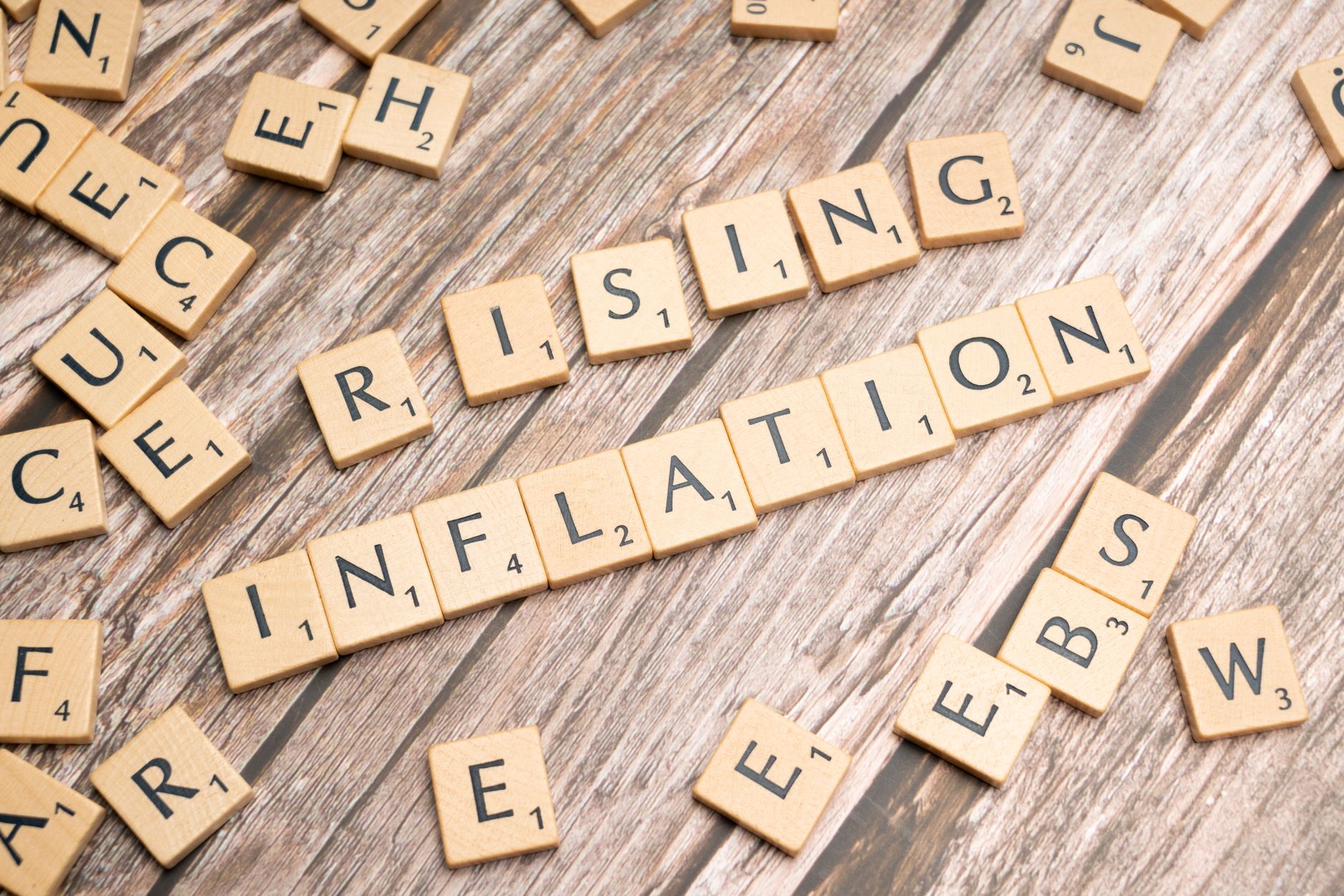
The Fed rate hike is anticipated this Wednesday due to inflation pressure. Investors and consumers alike are bracing for the potential consequences on the economy and personal finances.
Understanding the Fed Rate Hike
The Federal Reserve’s decision to implement a rate hike is closely watched by economists and investors alike, as it has far-reaching implications for the economy. A Fed rate hike typically signals an effort to combat rising inflation, which can impact individuals’ savings in significant ways.
When the Fed raises interest rates by 25 basis points, as anticipated this Wednesday, several consequences may unfold:
- Increased Borrowing Costs: Higher interest rates mean that loans and credit become more expensive, impacting everything from mortgages to credit cards.
- Impact on Savings Accounts: Although higher rates may offer better returns on savings accounts, the immediate benefits can be outweighed by inflation, diminishing the real value of savings.
- Market Volatility: Rate hikes can lead to market fluctuations, affecting investments and retirement funds.
Understanding the implications of a Fed rate hike is crucial for consumers trying to navigate their financial futures. While the intention is to stabilize the economy, the side effects can make it challenging for individuals to maintain the value of their savings, highlighting the delicate balance the Fed must manage.
Impact on Inflation and Economy
The anticipated Fed rate hike is expected to have significant repercussions on both inflation and the broader economy. As the Federal Reserve considers raising rates by 25 points, the immediate concern is how this decision will influence consumer prices and economic growth.
Higher interest rates generally lead to increased borrowing costs for consumers and businesses. This can result in a slowdown in spending, which is a critical driver of economic activity. As borrowing becomes more expensive, individuals may delay major purchases, such as homes or cars, while businesses might postpone investments in expansion.
In response to these changes, inflation dynamics may shift. While higher rates aim to curb inflation by reducing demand, they can also have the unintended effect of stalling economic growth. The balancing act for the Fed is to manage inflation without triggering a recession.
As consumers brace for these changes, it’s crucial to consider the potential long-term impacts. Some of the possible outcomes include:
- Increased costs for loans and credit cards.
- Reduced consumer confidence and spending.
- Possible job cuts if businesses downsize in response to decreased demand.
What This Means for Your Investments
The impending Fed rate hike is set to have significant implications for investors, impacting various asset classes and investment strategies. As interest rates rise, the cost of borrowing increases, which can lead to a slowdown in economic growth. This may influence stock market performance as companies face higher expenses and potentially reduced consumer spending.
Moreover, certain sectors may be affected more than others. Here are some key points to consider:
- Bonds: As rates rise, bond prices typically fall. This means that investors holding existing bonds may see a decrease in their market value.
- Real Estate: Higher interest rates can lead to increased mortgage costs, which may dampen demand in the housing market and affect property values.
- Stocks: While some sectors may struggle, others such as financial institutions could benefit from higher rates, as they can charge more for loans.
- Alternative Investments: As traditional assets become more volatile, investors might consider diversifying into alternatives like commodities or cryptocurrencies.
Overall, the Fed rate hike could create both challenges and opportunities, urging investors to reassess their portfolios in light of these changes.
Expert Predictions on Future Rates
As the Federal Reserve prepares for its anticipated rate hike, experts are weighing in on what this could mean for future rates and the broader economic landscape. Many analysts predict that the Fed rate hike, expected to be 25 basis points, will not be the last adjustment in the coming months.
According to Dr. Emily Carter, an economist at the National Bank, “The current inflation pressures are likely to compel the Fed to continue increasing rates throughout the year. This could lead to a series of incremental hikes as the central bank seeks to stabilize prices.”
Market analysts are closely monitoring several key indicators, including:
- Consumer Price Index (CPI) trends
- Employment rates
- Global economic conditions
Furthermore, John Thompson, a financial strategist, emphasizes the need for savers to prepare for fluctuating interest rates. “While a Fed rate hike can lead to higher returns on savings accounts, it also signals an uncertain economic environment. Individuals should reassess their savings strategies to ensure they are not adversely affected.”
As predictions continue to evolve, it remains crucial for consumers to stay informed about the Fed’s actions and their potential impact on personal finances.
Photo by Markus Winkler on Pexels