
Every cut you make reveals the quality of the tool you chose. For woodworkers at any skill level, the circular saw is one of the most versatile and frequently used cutting tools in the shop. Yet purchasing the wrong model—one that lacks power, precision, or comfort—can turn straightforward tasks into frustrating ordeals. This guide covers everything you need to know to make a confident, informed decision when selecting your next saw. What separates a great circular saw from a mediocre one is not always obvious from a product listing or price tag.
Why Circular Saws Remain a Workshop Essential
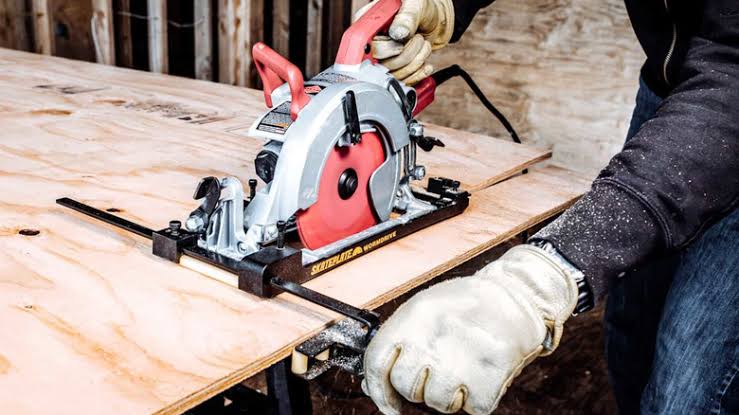
The circular saw has remained a core tool in woodworking for generations, and with good reason. Its ability to rip sheets of plywood, crosscut lumber, and make angled bevel cuts makes it one of the few tools that can do the work of several others. No table saw in your shop? A circular saw with a straightedge guide can produce cuts accurate enough for furniture-grade work.
The differences show up in use—in how smoothly the saw tracks along a cut line, how well it manages heat and dust, and how confidently it handles difficult materials.
Corded Models: Consistent Power for Demanding Work
Corded circular saws draw power directly from a mains outlet, which means their performance doesn’t degrade as a job progresses. For extended cutting sessions involving dense hardwoods or thick engineered panels, this consistency is a genuine advantage.
The tradeoff is cord management. On a busy workbench or cluttered job site, a power cord requires active attention to keep it clear of the blade path. Some woodworkers find this a minor inconvenience; others find it genuinely disruptive to their workflow.
If your work is primarily shop-based with reliable power access, a corded saw is typically the more economical choice for equivalent performance.
Cordless Models: Freedom Without Compromise
Battery-powered circular saws have closed the performance gap with corded models significantly. Modern brushless motors extract more energy from each charge, and battery packs have grown both in capacity and charge speed. For site work, deck building, or any situation where mobility matters, cordless tools have become the preferred choice for many professionals.
One practical consideration: if you already own tools from a particular battery platform, adding a cordless circular saw from the same brand means sharing batteries across your tool collection—a genuine cost and convenience benefit.
Blade Selection: The Cutting Edge of Performance
The saw itself is only part of the equation. The blade you install determines the character of every cut—its smoothness, speed, and the type of material it handles best.
Blades with more teeth produce smoother cuts but move through material more slowly. Fewer teeth means faster cutting with a rougher finish. For most woodworking applications, a mid-tooth-count combination blade offers a practical balance between speed and surface quality.
Material matters too. Carbide-tipped blades hold their edge far longer than standard steel blades and handle hardwoods without overheating. For specialty materials like fiber cement or non-ferrous metals, purpose-specific blades are essential—using the wrong blade risks both poor results and personal injury.
Evaluating Blade Guard Systems
The lower blade guard is a critical safety component, and its design quality varies considerably across saw models. A good guard retracts smoothly as the saw enters the cut and snaps back cleanly when the blade clears the material. Guards that hesitate, stick, or return sluggishly create unpredictable situations that experienced woodworkers find particularly frustrating.
Look for guards made from reinforced materials that maintain their shape over time. Plastic guards that warp or crack with repeated use compromise both safety and ease of operation.
The Importance of Blade Alignment
A blade that runs even slightly out of alignment with the base plate produces cuts that drift from the intended line. Over the course of a project, small misalignments compound into significant errors—especially in joinery work where tight tolerances matter.
Before using any new saw, verify that the blade is perfectly perpendicular to the base plate using a reliable square. Many saws allow for adjustment, but the quality of that adjustment mechanism varies. Seek out models with positive stops and fine-tuning capability for the angles you use most.
Rip Fence Compatibility and Straight-Line Cutting
A rip fence is an accessory that attaches to the base plate and allows you to make parallel cuts at a consistent distance from a workpiece edge. For tasks like ripping boards to width, this simple accessory transforms a freehand tool into a precision instrument.
Not all saws accept a rip fence, and those that do vary in how securely the fence attaches and how accurately it maintains its set distance. If straight-line ripping is a regular part of your workflow, confirm that your chosen saw accepts a quality fence before purchasing.
Vibration, Noise, and Long-Session Comfort
Extended use of a high-vibration tool leads to operator fatigue—and fatigued operators make less accurate cuts. Anti-vibration handle designs and motor mounts that isolate vibration from the grip surface make a meaningful difference during long cutting sessions.
Noise is a related consideration, particularly for home shop users with close neighbors or shared walls. Brushless motor designs tend to run quieter than brushed equivalents while also producing less heat and lasting longer between maintenance intervals.
Evaluating Build Quality Before You Buy
Long-term reliability comes down to the materials and tolerances used in construction. Magnesium housings are lighter and more rigid than plastic alternatives. Metal gearing outlasts plastic in demanding applications. Sealed bearings keep debris from contaminating motor components over time.
Reading long-term user reviews—particularly from professionals who use tools daily—gives you a realistic picture of how a saw holds up beyond the first few months of ownership.
A Practical Approach to Your Decision
Start with your most common cutting tasks, then work backward to the specifications that support them. Consider the materials you cut most often, your working environment, and whether portability or sustained power matters more to your workflow.
A circular saw is a long-term investment. Choosing well the first time means years of accurate, efficient cutting without the cost and disruption of replacing an underperforming tool.