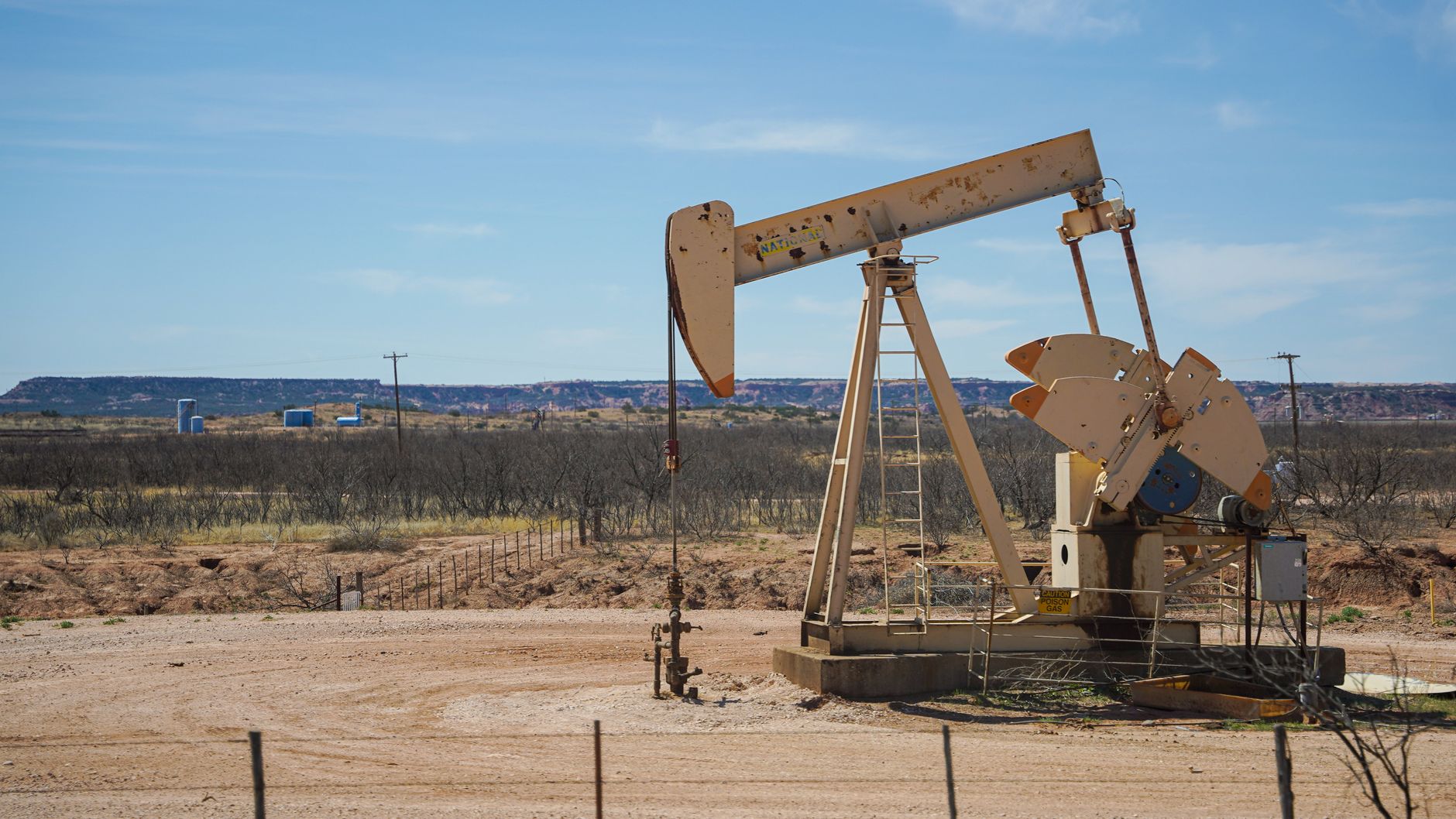
high crude oil prices are influencing market dynamics as Sensex and Nifty open flat, balancing gains in banking stocks.
Market Overview Today
Today’s market opened flat, with the Sensex and Nifty indices reflecting a cautious sentiment among investors. The primary concern driving this outlook is the surge in high crude oil prices, which have placed significant pressure on various sectors, particularly banking stocks.
As oil prices climb, the cost of borrowing and operational expenses for banks may increase, leading to potential declines in profitability. Investors are closely monitoring the situation, given that higher crude oil prices can also contribute to inflationary pressures, further complicating the economic landscape.
Key highlights from today’s market include:
- Sensex opened at 60,000, showing minimal change from yesterday.
- Nifty started at 17,800, with slight fluctuations expected throughout the day.
- Banking stocks showed initial gains but faced resistance due to the looming impact of high crude oil prices.
Market analysts suggest that fluctuations in oil prices will continue to be a significant factor influencing investor sentiment in the coming weeks.
Impact of Crude Oil on Stocks
The recent surge in high crude oil prices has had a notable impact on banking stocks, which have struggled to maintain momentum in the market. Investors are increasingly concerned about the implications of rising oil prices on the overall economy, as these costs can lead to higher inflation and affect consumer spending.
Several analysts have pointed out that the banking sector is particularly vulnerable to fluctuations in oil prices due to the potential for increased loan defaults among businesses reliant on the energy sector. Key observations include:
- Increased operational costs: Higher oil prices can squeeze profit margins for banks.
- Loan exposure: Banks with significant lending to oil companies may face greater risks.
- Market sentiment: Investor confidence can wane, leading to lower stock valuations.
As the situation evolves, it remains to be seen how banking stocks will adjust to the pressures exerted by high crude oil prices.
Banking Sector Performance
The banking sector has shown mixed performance in light of the current economic environment influenced by high crude oil prices. While some banks have reported steady gains, the overall impact of fluctuating oil prices has led to increased volatility in banking stocks.
Factors contributing to this performance include:
- Interest Rates: Higher oil prices often lead to inflationary pressures, prompting central banks to adjust interest rates, which can affect lending margins.
- Loan Default Risks: Rising fuel costs can strain consumers and businesses, increasing the risk of defaults on loans, thereby impacting banks’ balance sheets.
- Investment Flows: Investors are closely monitoring how banks manage their exposure to sectors hit hard by high crude oil prices.
As the situation develops, analysts suggest that banking stocks may remain under pressure unless there is a significant shift in oil prices or economic policy.
Global Oil Prices Trends
As the world grapples with high crude oil prices, global oil trends are becoming increasingly significant in shaping market dynamics. Recent data shows that oil prices have surged due to a combination of geopolitical tensions and supply chain disruptions. This rise has sent shockwaves through various sectors, with investors closely monitoring the repercussions on other markets.
The fluctuations in oil prices are largely influenced by:
- OPEC’s production decisions: Recent agreements to cut back on production have tightened supply.
- Geopolitical tensions: Conflicts in oil-rich regions continue to create uncertainty in the market.
- Economic recovery: As economies rebound, demand for crude oil is expected to rise, further driving prices up.
This environment of high crude oil prices not only affects consumer behavior but also has a cascading effect on investment strategies across various sectors, particularly banking stocks.
Investor Reactions to Market Changes
Investor reactions to market changes have been notably influenced by the surge in high crude oil prices. Many market participants are expressing concern regarding the potential ripple effects on various sectors, particularly banking stocks. With crude oil prices reaching new heights, investors are closely monitoring how this volatility could impact inflation and borrowing costs.
Analysts suggest that rising crude oil prices can lead to increased operational costs for businesses, which may adversely affect their profitability. As a result, banking stocks, which are typically sensitive to economic shifts, have experienced mixed reactions. Some investors are taking a cautious approach, while others see opportunities in undervalued banking shares.
According to recent reports, investors are particularly focused on:
- Potential interest rate hikes by central banks
- Changes in consumer spending habits
- The overall health of the credit market
As high crude oil prices continue to dominate headlines, the banking sector remains under close scrutiny from investors.
Expert Opinions on Market Stability
Experts in the financial sector are closely monitoring the impact of high crude oil prices on market stability. According to analysts, the current volatility in oil prices poses a significant challenge for various sectors, particularly banking stocks.
One prominent economist stated, “High crude oil prices can lead to increased operational costs for businesses, which may ultimately affect their profitability and, in turn, the banking sector’s performance.” This sentiment is echoed by several industry leaders who express concern over potential defaults on loans due to rising expenses.
Furthermore, strategists warn that sustained high crude oil prices might result in tighter monetary policy, as central banks may need to address inflationary pressures. This could lead to increased interest rates, further complicating the financial landscape for banks.
As the situation evolves, market participants are urged to stay informed about these developments, as they could influence investment strategies and overall market health.
Future Outlook for Sensex and Nifty
As high crude oil prices continue to influence market dynamics, the future outlook for the Sensex and Nifty remains uncertain. Analysts are closely monitoring the situation, as the sustained rise in oil prices could lead to increased inflationary pressures, impacting consumer spending and economic growth.
While some experts predict a correction in the market, others emphasize the resilience of key sectors. Factors to consider include:
- Global Economic Recovery: A rebound in global demand may provide support for Indian markets.
- Monetary Policy Adjustments: The Reserve Bank of India’s response to inflation will be crucial.
- Sector-Specific Performance: Banking stocks may face challenges, yet potential growth in technology and healthcare could offset losses.
In conclusion, while high crude oil prices pose risks, the overall market can adapt through strategic investments and policy measures, potentially leading to a stabilization in the long term.
Photo by jayjay13 on Pexels
Where this came from
European earnings preview: The Best Insights for Q3 Results · Is Startup Funding India the Right Way to Create Jobs? · Coal India Shares: Is It Worth Buying or Selling Now?