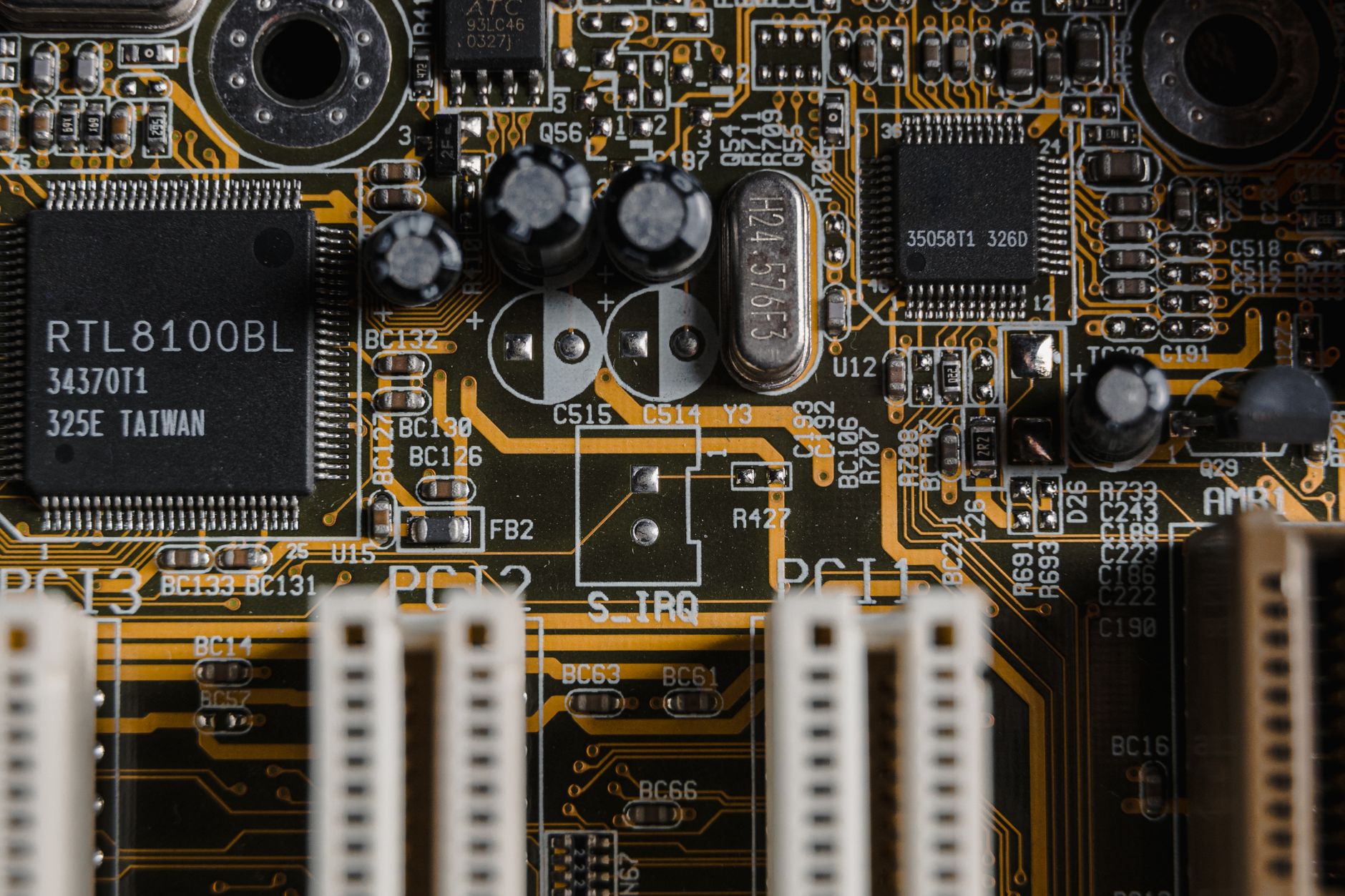
Tata partnership semiconductor is a pivotal development as ASML enters India, highlighting the country’s growing ambitions in the semiconductor industry.
Overview of ASML’s Entry into India
ASML, a leading supplier of photolithography equipment, has made a significant move by partnering with Tata to establish a foothold in India’s semiconductor industry. This collaboration marks a pivotal moment for the country as it aims to enhance its capabilities in semiconductor manufacturing. The partnership is expected to bring advanced technology and expertise to India, positioning the nation as a potential hub for semiconductor production.
As the global demand for semiconductors continues to surge, the Tata partnership with ASML is seen as a strategic initiative to bolster India’s competitiveness in this vital sector. The collaboration will not only facilitate technology transfer but also help in building a skilled workforce adept in semiconductor manufacturing processes.
The entry of ASML into India signifies a broader trend where major players in the semiconductor space are looking to diversify their operations and invest in emerging markets. With the backing of Tata, a trusted name in India, the partnership is poised to unlock new opportunities and drive innovation within the country’s semiconductor ambitions.
In summary, the Tata partnership in the semiconductor sector with ASML is a promising step forward for India, potentially leading to greater self-sufficiency and technological advancement.
Impact of Tata Partnership on Semiconductor Industry
The recent Tata partnership in the semiconductor sector is poised to significantly impact India’s technological landscape. This collaboration aims to bolster the nation’s semiconductor manufacturing capabilities, which are crucial for various industries including automotive, telecommunications, and consumer electronics.
Among the key benefits of this partnership are:
- Enhanced Manufacturing Capacity: The alliance is expected to facilitate the establishment of state-of-the-art fabrication facilities, reducing dependence on foreign semiconductor imports.
- Job Creation: The initiative is likely to create thousands of jobs, fostering skill development in high-tech sectors and supporting the local economy.
- Innovation Promotion: By integrating advanced technologies and fostering research and development, the partnership can stimulate innovation within the Indian tech ecosystem.
- Global Competitiveness: Strengthening India’s semiconductor industry through this partnership will position the country as a significant player in the global market, attracting further investments.
Overall, the Tata partnership in the semiconductor field marks a strategic move that aligns with India’s ambitions to become a self-reliant and technologically advanced nation. It signals a promising future for both the industry and the economy.
India’s Semiconductor Ambitions Explained
India’s ambitions in the semiconductor industry are gaining significant traction, particularly with the recent Tata partnership semiconductor initiative. This collaboration aims to establish a robust semiconductor manufacturing ecosystem in the country, a crucial step towards self-sufficiency in this strategic sector.
The Indian government has recognized the importance of semiconductors in the global economy and is actively promoting policies to enhance domestic production. Several factors contribute to India’s semiconductor aspirations:
- Global Demand: With the increasing reliance on electronics, the demand for semiconductors is at an all-time high, making it essential for India to ramp up its production capabilities.
- Technological Advancements: The partnership aims to leverage cutting-edge technology, ensuring that India stays competitive in the international semiconductor market.
- Job Creation: By investing in semiconductor manufacturing, the Tata partnership is expected to create numerous job opportunities, boosting the local economy.
- Innovation Drive: This initiative encourages research and development, fostering innovation in semiconductor technologies within the country.
As the semiconductor landscape evolves, the Tata partnership is poised to play a pivotal role in shaping India’s future in this vital industry.
Technological Advancements in Semiconductor Manufacturing
The partnership between Tata and ASML marks a significant leap in India’s technological landscape, particularly in semiconductor manufacturing. This collaboration aims to harness cutting-edge technology and innovation, positioning India as a formidable player in the global semiconductor industry.
With ASML’s expertise in lithography systems, the Tata partnership will facilitate the development of advanced manufacturing techniques that are crucial for producing next-generation chips. This endeavor is expected to boost local capabilities and reduce dependency on foreign sources for semiconductor supply.
Key technological advancements anticipated from this partnership include:
- Enhanced Production Efficiency: Implementation of state-of-the-art lithography processes that increase yield and lower production costs.
- Research and Development: Establishment of innovation hubs focused on semiconductor design and manufacturing technologies.
- Skilled Workforce Development: Initiatives to train engineers and technicians, ensuring a skilled labor force ready to tackle challenges in semiconductor production.
As India strives to meet its ambitious semiconductor goals, the Tata partnership with ASML is poised to drive significant advancements, ensuring the country remains competitive in a rapidly evolving technological landscape.
Challenges Facing India’s Semiconductor Goals
Despite the promising developments stemming from the Tata partnership in the semiconductor sector, India faces significant challenges in achieving its semiconductor goals. One of the primary hurdles is the need for substantial investment in infrastructure. The semiconductor industry requires advanced facilities and technology, which necessitates billions of dollars in funding and a robust supply chain.
Moreover, there is a critical shortage of skilled workforce in the semiconductor domain. The complexity of semiconductor design and manufacturing demands a highly specialized skill set, which India currently lacks. This skills gap poses a significant barrier to the rapid scaling of production capacity that the Tata partnership aims to achieve.
Additionally, geopolitical tensions can impact the global semiconductor supply chain. Fluctuations in international relations may affect the availability of essential raw materials and technology transfers, further complicating India’s ambitions.
Lastly, regulatory hurdles and bureaucratic inefficiencies can delay the establishment of semiconductor manufacturing facilities. Streamlining these processes is essential to harness the full potential of the Tata partnership and advance India’s position in the global semiconductor market.
Addressing these challenges will be crucial for India to realize its semiconductor ambitions and fully leverage the opportunities presented by the Tata partnership.
Global Semiconductor Market Trends
The global semiconductor market is witnessing significant trends that are reshaping the landscape of technology and manufacturing. As the demand for chips continues to surge, driven by sectors such as automotive, consumer electronics, and artificial intelligence, countries are ramping up their efforts to establish robust semiconductor ecosystems. The Tata partnership semiconductor initiative is a key player in this evolving market.
One of the most notable trends is the shift towards localized production. Companies are increasingly investing in domestic manufacturing capabilities to reduce dependency on foreign suppliers and mitigate supply chain risks. This has led to a wave of collaborations and partnerships, much like the Tata partnership semiconductor, which aims to enhance India’s position in the global supply chain.
Additionally, technological advancements are driving innovation within the industry. The push for smaller, more efficient chips is prompting manufacturers to explore new materials and processes. As countries compete for leadership in semiconductor technology, research and development investments are at an all-time high, further highlighting the importance of strategic partnerships like that of Tata.
Lastly, geopolitical factors are influencing market dynamics, as nations seek to secure their technology infrastructure against uncertainties. This context makes the Tata partnership semiconductor initiative particularly timely and crucial for India’s ambitions in the global semiconductor arena.
Future Prospects for Tata and ASML
The partnership between Tata and ASML is poised to create significant future prospects for India’s semiconductor landscape. With ASML’s cutting-edge lithography technology, Tata can enhance its manufacturing capabilities, bringing the country closer to self-sufficiency in semiconductor production. This collaboration is expected to attract further investments and talent to India’s semiconductor ecosystem, fostering innovation and growth.
As global demand for semiconductors continues to rise, the Tata partnership with ASML positions India as a potential hub for semiconductor manufacturing. This move not only bolsters domestic production but also strengthens India’s position in the competitive global semiconductor market. With increased capacity and advanced technology, local companies can better meet the needs of various sectors, including automotive, consumer electronics, and telecommunications.
Moreover, the collaboration is likely to pave the way for research and development initiatives, encouraging startups and established firms to explore new frontiers in semiconductor technology. The synergy between Tata and ASML could lead to breakthroughs that enhance efficiency and reduce costs in semiconductor manufacturing processes.
In summary, the Tata partnership with ASML represents a strategic step forward in realizing India’s semiconductor ambitions, positioning the country for a robust future in this vital industry.
Conclusion: What This Means for India
In conclusion, the Tata partnership in semiconductor manufacturing signifies a pivotal moment for India’s technological landscape. This collaboration not only positions India as a burgeoning hub for semiconductor production but also strengthens the nation’s standing in the global technology arena. The infusion of advanced technologies and expertise from ASML is set to bolster local manufacturing capabilities, paving the way for a self-reliant economy.
The implications of this partnership are profound, as it aligns with India’s broader ambitions to reduce dependence on foreign semiconductor imports. By nurturing local talent and fostering innovation, this alliance will catalyze the growth of ancillary industries and create numerous job opportunities. Moreover, a robust semiconductor ecosystem can enhance India’s competitiveness in various sectors, including electronics, automotive, and telecommunications.
However, the journey is not without challenges. To fully realize the potential of the Tata partnership in semiconductor manufacturing, India must address infrastructural gaps, regulatory hurdles, and skill development needs. Overcoming these obstacles will be crucial for establishing a sustainable semiconductor industry that can thrive in the long term.
Overall, the Tata partnership stands as a beacon of hope for India’s ambitions, representing a smart move towards achieving technological self-sufficiency and economic resilience.
The Tata partnership semiconductor initiative is expected to significantly boost India’s position in the global tech landscape. By investing in advanced manufacturing capabilities, the Tata partnership semiconductor will pave the way for a more self-reliant economy.
Photo by Tima Miroshnichenko on Pexels