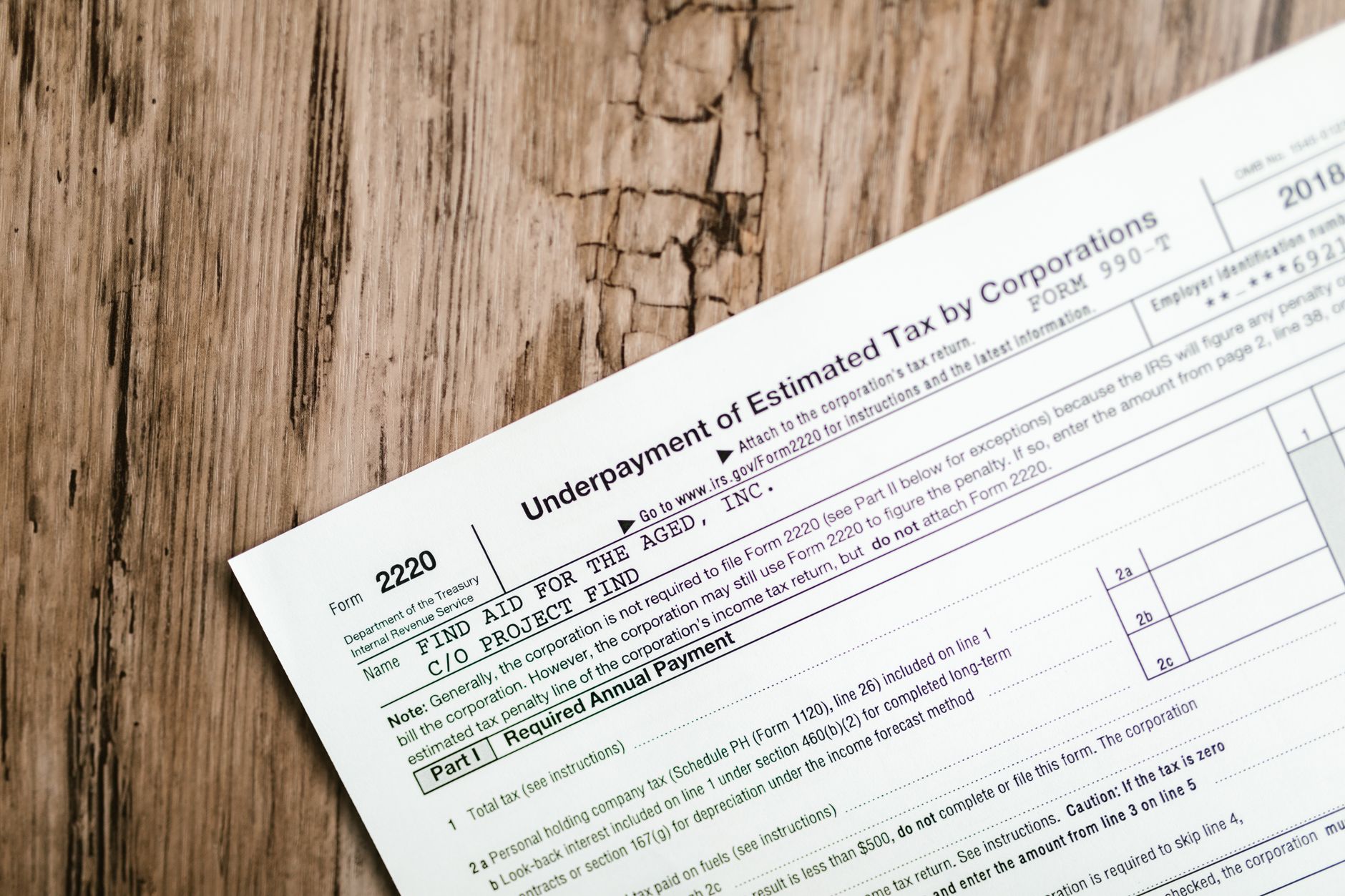
EPF entry ITR has been a topic of confusion for many taxpayers. Recently, the Mumbai ITAT ruled that a mistaken Rs 9.6 lakh entry cannot be taxed, providing clarity on this issue.
Understanding the Mumbai ITAT Ruling
The Mumbai Income Tax Appellate Tribunal (ITAT) recently made a significant ruling regarding the taxation of mistaken entries in the Income Tax Return (ITR) related to Employees’ Provident Fund (EPF). This ruling specifically addressed a case involving a Rs 9.6 lakh EPF entry that was erroneously reported in the taxpayer’s ITR.
The tribunal emphasized that taxpayers should not be penalized for mistakes made in good faith. The ruling highlighted the importance of maintaining accurate records and the necessity for taxpayers to ensure that entries in their ITR accurately reflect their financial activities. In this particular case, the taxpayer had initially included the incorrect EPF amount, which led to potential tax liabilities that were unwarranted.
According to the ITAT, the erroneous entry does not constitute income, and thus, cannot be taxed under the prevailing tax laws. This decision serves as a reminder to both taxpayers and tax authorities regarding the implications of mistaken entries and the importance of clarity in tax regulations.
Furthermore, the ruling underscores the need for comprehensive guidelines to assist taxpayers in understanding how to address such discrepancies. As the landscape of tax regulations continues to evolve, cases like this reinforce the significance of seeking professional advice when dealing with complicated tax matters, particularly those related to EPF entry ITR.
What is EPF and Its Importance?
The Employees’ Provident Fund (EPF) is a significant retirement savings scheme in India, primarily aimed at providing financial security to employees after their retirement. It is a mandatory savings plan that requires both employers and employees to contribute a certain percentage of the employee’s salary to the fund. The contributions made to the EPF are tax-exempt under Section 80C of the Income Tax Act, making it an attractive investment for salaried individuals.
EPF plays a vital role in ensuring that employees have a financial cushion when they retire. The accumulated corpus can be accessed under certain conditions, such as retirement, resignation, or in case of specific financial emergencies. The fund not only provides a safe avenue for savings but also earns a guaranteed interest rate, which is determined annually by the government.
In the context of taxation, understanding how EPF entries are treated in the Income Tax Return (ITR) is crucial. Mistakes in reporting EPF contributions can lead to significant tax implications. As highlighted in a recent ruling by the Mumbai ITAT, mistaken entries, such as a Rs 9.6 lakh EPF entry, should not be subjected to taxation if proven erroneous. This emphasizes the importance of accurate reporting in ITR submissions, particularly concerning EPF entries, to avoid unnecessary tax liabilities.
How Mistaken Entries Affect Your Tax Return
Mistaken entries in your Income Tax Return (ITR) can lead to significant confusion and potential financial implications. The recent ruling by the Mumbai Income Tax Appellate Tribunal (ITAT) clarified how these errors, particularly regarding Employee Provident Fund (EPF) entries, should be handled. In the case of a mistaken Rs 9.6 lakh EPF entry, the tribunal ruled that such an error cannot be taxed, underscoring the importance of accuracy in tax filings.
When taxpayers inadvertently report incorrect amounts, it is crucial to understand the potential repercussions. Here are some key points regarding how mistaken entries affect your tax return:
- Nature of the Entry: If the EPF entry is a genuine mistake, it should not lead to taxation. Taxpayers need to ensure that all amounts reported are verified and accurate.
- Documentation: Maintaining thorough documentation is essential. This includes all relevant pay slips, EPF statements, and any correspondence with tax authorities.
- Rectification Process: In cases of errors, taxpayers should promptly file for rectification to correct any mistaken entries in their ITR.
- Professional Advice: Consulting a tax professional can provide guidance on how to approach mistaken entries and ensure compliance with tax laws.
Ultimately, understanding the implications of mistaken EPF entries in your ITR can prevent unnecessary stress and financial burden during tax season.
Tax Implications of EPF Entries
The recent ruling by the Mumbai Income Tax Appellate Tribunal (ITAT) has brought clarity to the tax implications of EPF entry ITR situations, especially concerning mistaken entries. Taxpayers who encounter erroneous EPF entries in their income tax returns may find themselves confused about their tax liabilities.
In the case reviewed, a mistaken entry of Rs 9.6 lakh in the EPF account led to significant concern for the taxpayer. The ITAT ruled that such an entry, which was not reflective of actual contributions made by the taxpayer, should not be taxed. This decision underscores the importance of accurately reporting EPF contributions in the ITR.
Here are some key points regarding the tax implications of EPF entries:
- Correctness of Entries: Always ensure that the EPF entries in your ITR match your actual contributions.
- Rectifying Mistakes: If a mistaken entry is identified, it is advisable to promptly rectify it to avoid potential tax issues.
- Tax Exemptions: Contributions to the EPF are generally tax-exempt, making accurate reporting essential for compliance.
- Documentation: Maintain clear records of your EPF contributions and any communications regarding discrepancies.
Understanding these implications can help taxpayers navigate their ITR filings more effectively, particularly in light of the recent rulings that impact EPF entries.
Key Takeaways from the ITAT Decision
The recent ruling by the Mumbai Income Tax Appellate Tribunal (ITAT) has provided much-needed clarity on the treatment of mistaken EPF entries in Income Tax Returns (ITRs). Here are the key takeaways from the decision:
- Taxability of Mistaken Entries: The ITAT ruled that erroneous EPF entries, such as the Rs 9.6 lakh mistake, should not be subjected to taxation. This sets a precedent for taxpayers who may have inadvertently reported inaccurate EPF amounts in their ITRs.
- Intent of the Taxpayer: The tribunal emphasized that the intent behind reporting is crucial. If a taxpayer genuinely makes a mistake without intent to evade taxes, they should not bear the burden of penalties or additional tax liabilities.
- Documentary Evidence: It is essential for taxpayers to maintain clear records and documentation related to EPF contributions. The ITAT highlighted the importance of being able to substantiate claims made in the ITR.
- Future Implications: This ruling could influence future cases involving EPF entries in ITRs, encouraging taxpayers to rectify mistakes proactively without fear of punitive measures.
- Guidance for Taxpayers: Taxpayers are advised to seek clarification and professional advice if they encounter discrepancies in their EPF entries to ensure compliance and avoid unnecessary complications.
Future of Taxation on EPF Entries
The future of taxation on EPF entries is set to evolve as recent rulings, such as the one from the Mumbai ITAT, establish clearer guidelines on how mistaken entries should be treated. This decision, which ruled that a mistaken EPF entry of Rs 9.6 lakh in an individual’s Income Tax Return (ITR) cannot be taxed, has significant implications for taxpayers.
As the landscape of tax compliance continues to change, it is essential for individuals to be aware of how their EPF entries are recorded and reported. The ruling emphasizes the necessity for accurate reporting and the potential consequences of errors in tax filings. Moving forward, taxpayers should take proactive measures to ensure that their EPF contributions are accurately reflected in their ITRs, thereby minimizing the risk of disputes with tax authorities.
Furthermore, the decision may encourage the Income Tax Department to develop clearer guidelines regarding the treatment of erroneous entries. This could lead to a more standardized approach in handling similar cases, ultimately benefiting taxpayers who may find themselves in similar situations.
In light of the Mumbai ITAT ruling, it is crucial for individuals to remain informed about their rights and obligations concerning EPF entries in ITR. As the legal framework surrounding these issues continues to develop, ongoing vigilance and attention to detail will be key in navigating the complexities of tax compliance.
The guidelines for correcting mistakes in the EPF entry ITR are crucial for taxpayers to understand. Ensuring accurate reporting in the EPF entry ITR can prevent potential legal issues and financial penalties.
Photo by Pavel Danilyuk on Pexels