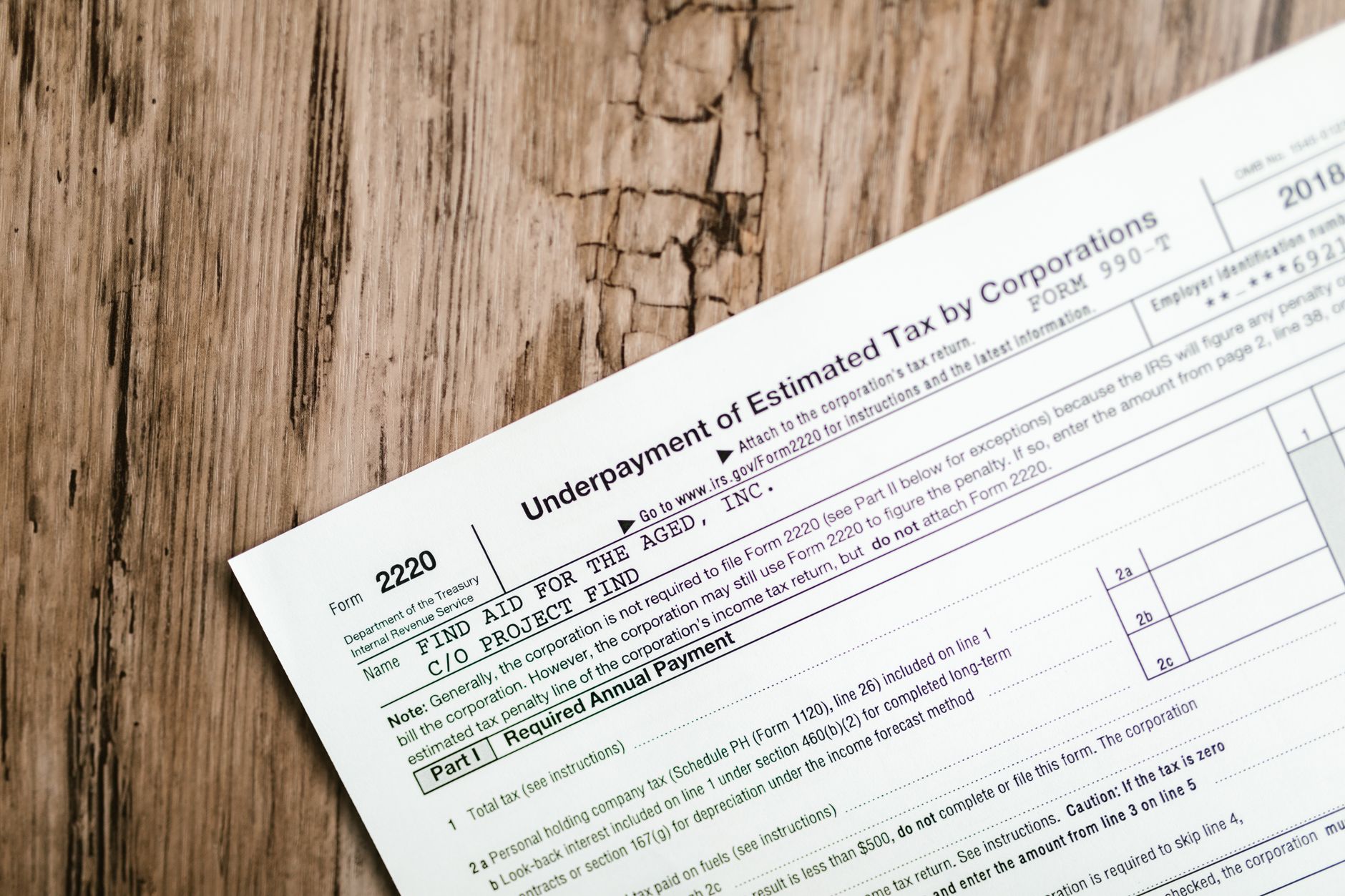
corporate tax payments have seen a significant plunge of 25%, even as profits boom across various sectors. This stark contrast raises questions about fiscal responsibility and economic health.
Understanding the Decline in Corporate Tax Payments
The recent data reveals a striking paradox in the corporate landscape: despite a significant boom in profits, corporate tax payments have experienced a dramatic decline. Analysts are puzzled by this 25% drop, which raises concerns about the sustainability of tax revenue systems.
Several factors contribute to this unexpected trend:
- Tax Legislation Changes: Recent reforms and incentives have allowed corporations to minimize their tax liabilities, thus leading to lower payments despite higher earnings.
- Increased Deductions: Corporations are capitalizing on various deductions and credits that reduce taxable income, further exacerbating the decline in corporate tax payments.
- Shifts in Profit Reporting: Many companies are shifting profits to jurisdictions with lower tax rates, a strategy that can significantly impact domestic tax revenues.
- Economic Uncertainty: The ongoing economic climate has led some corporations to adopt cautious financial strategies, potentially leading to deferred tax payments.
As policymakers grapple with the implications of this trend, the need for a balanced approach to taxation becomes evident. While encouraging corporate growth is vital, ensuring that these entities contribute fairly to public finances is equally important. The current situation calls for a reevaluation of tax policies to address the discrepancies between soaring profits and declining corporate tax payments.
Factors Contributing to Profit Increases
Several factors have contributed to the significant increase in corporate profits, even as corporate tax payments have seen a troubling decline. These factors illustrate the complexities within the current economic landscape.
- Cost-Cutting Measures: Many corporations have implemented aggressive cost-cutting strategies, reducing operational expenses and boosting profit margins. This includes layoffs, outsourcing, and streamlining processes.
- Technological Advancements: Investments in technology have allowed companies to enhance productivity and efficiency, leading to higher output without a proportional increase in costs.
- Market Expansion: Businesses have expanded their reach into new markets, both domestically and internationally, resulting in increased sales and revenue streams.
- Favorable Economic Conditions: A growing economy has provided corporations with more opportunities to increase sales, as consumer demand rises and markets flourish.
- Tax Incentives: Various tax breaks and incentives have allowed companies to reduce their taxable income, contributing to the decline in corporate tax payments even amid rising profits.
While these elements have fueled profit growth, they have also raised concerns about the sustainability of such profits without corresponding corporate tax payments. Understanding these dynamics is essential for policymakers as they navigate the challenges of taxation and economic growth.
Implications for Government Revenue
The recent decline in corporate tax payments has significant implications for government revenue. As corporations enjoy unprecedented profit increases, the sharp 25% drop in tax contributions raises concerns about the sustainability of public funding. The government relies on these payments to finance essential services and infrastructure, and a prolonged decrease could lead to budget shortfalls.
With corporate tax payments falling, policymakers may need to reconsider their approach to taxation. Some potential implications include:
- Increased Budget Deficits: A significant reduction in corporate tax revenue could result in larger budget deficits, forcing governments to make difficult decisions regarding spending cuts or borrowing.
- Tax Policy Revisions: Lawmakers may explore options to reform tax policies, including closing loopholes or adjusting rates, to ensure that corporations contribute their fair share.
- Pressure on Social Programs: With less money flowing into public coffers, essential social programs may face funding challenges, impacting vulnerable populations who rely on government support.
- Increased Scrutiny on Corporations: The sharp decline in tax payments may lead to greater public scrutiny of corporations and their tax strategies, potentially affecting their reputation and operations.
Ultimately, the implications of falling corporate tax payments extend beyond numbers; they may redefine the relationship between corporations and the communities they serve.
Reactions from Financial Experts
Financial experts have expressed significant concern over the recent plunge in corporate tax payments, which have dropped by 25% despite a remarkable boom in profits. Dr. Emily Chen, an economist at the National Fiscal Institute, stated, “This disconnect between soaring profits and declining tax contributions highlights a critical issue in our tax system. It raises questions about equity and sustainability.”
According to Mark Johnson, a financial analyst at Global Insights, “The disparity suggests that many corporations are effectively leveraging loopholes and tax incentives that allow them to retain more profit while contributing less to the public coffers.” He believes that this trend may lead to significant challenges in funding public services and infrastructure.
Other experts like Lisa Tran, a tax policy researcher, emphasize the need for reform. “If corporate tax payments continue to decline, governments will struggle to maintain essential services. We must consider revising tax codes to ensure that corporations contribute fairly to the economy,” she remarked.
Furthermore, David Ramirez, a veteran tax consultant, pointed out, “The current situation is unsustainable. Stakeholders must engage in meaningful dialogue to address these disparities and develop a more equitable tax framework.” As the discussion unfolds, the implications of these trends could significantly impact future fiscal policies.
Future Predictions for Corporate Taxation
As the landscape of corporate taxation continues to evolve, future predictions indicate that corporate tax payments may not stabilize in the near term. Analysts suggest a few key trends that could shape the future of corporate taxation in light of the current profit boom.
- Continued Profit Growth: If companies maintain their current profit levels, it is expected that corporate tax payments will remain subdued. Businesses may continue to leverage loopholes and deductions to minimize their tax liabilities.
- Legislative Changes: Potential alterations to tax legislation could dramatically impact corporate tax payments. Lawmakers are considering reforms aimed at closing tax loopholes, which might increase tax obligations for some corporations.
- Global Tax Competition: As nations compete to attract businesses, the pressure to maintain lower tax rates may hinder efforts to boost corporate tax payments. Countries may resist raising rates, fearing they will drive companies to relocate.
- Shift Towards Fairness: There is growing advocacy for a more equitable tax system. Movements to implement a minimum global tax could alter the dynamics of corporate tax payments, ensuring that corporations contribute a fair share regardless of their operational bases.
In conclusion, while the current profit boom presents substantial opportunities for companies, it also raises critical questions about the sustainability and fairness of corporate tax payments moving forward.
Comparative Analysis of Past Tax Trends
In recent years, the landscape of corporate tax payments has undergone significant changes, reflecting a complex interplay between profitability and tax obligations. A comparative analysis of past tax trends reveals a stark contrast between the rising profits of corporations and their dwindling tax contributions.
Historically, periods of economic growth have typically seen corresponding increases in corporate tax payments. However, data from the last few years suggests a troubling divergence. For instance, in the early 2010s, as corporate profits reached new heights, tax revenues also surged, with many companies paying their fair share. Yet, this trend has reversed in the current climate.
The most recent data indicates a dramatic 25% drop in corporate tax payments, even as profit margins continue to expand. This phenomenon raises questions about the efficacy of current tax structures and the strategies employed by corporations to minimize their tax liabilities. Key factors influencing this shift include:
- Increased use of tax loopholes and incentives
- Global tax competition leading to lower effective rates
- A shift in corporate structures to favor tax-efficient jurisdictions
As a result, the disparity between soaring profits and falling tax payments highlights a growing concern surrounding corporate accountability and the sustainability of government revenue streams.
What This Means for Small Businesses
The recent plunge in corporate tax payments has raised significant concerns, particularly for small businesses that rely on a stable economic environment to thrive. While larger corporations may benefit from the ongoing profit boom, smaller entities often face a different reality. The reduction in corporate tax payments can lead to a decrease in government revenue, which in turn affects public services and infrastructure that small businesses depend on.
Small businesses may find themselves in a precarious position, as they often do not have the same financial buffers as larger companies. With corporate tax payments declining sharply, there is a possibility that the government may seek alternative revenue sources, which could include increasing taxes on small businesses. This scenario could create a ripple effect, stifling growth and innovation among smaller enterprises.
- Increased Tax Burden: If corporate tax payments continue to fall, lawmakers may look to offset the loss by raising taxes elsewhere.
- Reduced Public Services: Small businesses could suffer from cuts in essential services that support local economies.
- Competitive Disadvantage: A lack of tax revenue might lead to fewer resources for small businesses compared to their larger counterparts.
Ultimately, the landscape for small businesses could shift dramatically as the implications of diminished corporate tax payments unfold, raising questions about their long-term viability in a changing economic climate.
Photo by RDNE Stock project on Pexels