
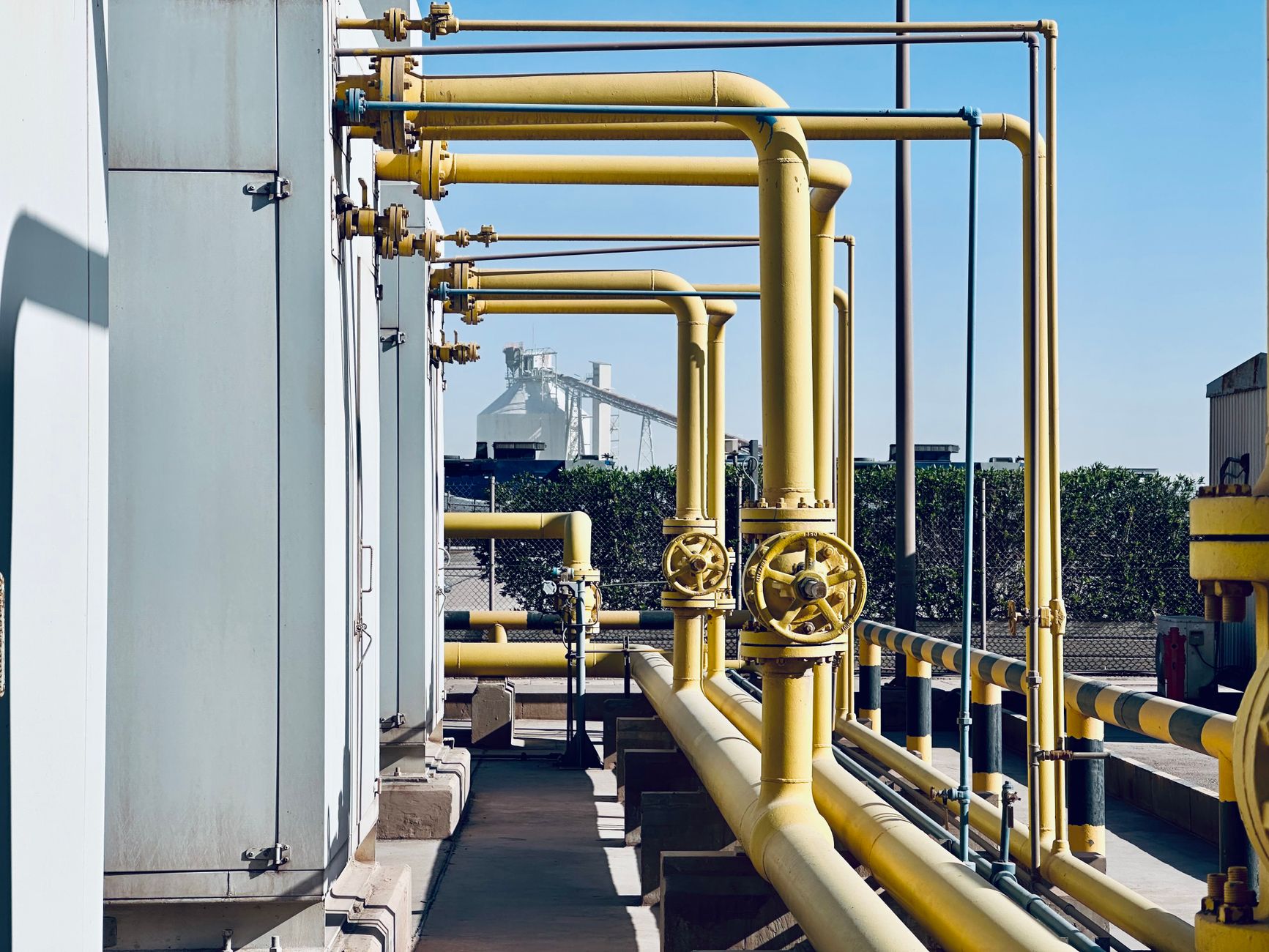
The East-West oil pipeline has been restarted in Saudi Arabia, marking a significant development in the global oil supply chain.
Overview of the East-West oil pipeline
The East-West oil pipeline, a crucial infrastructure project in Saudi Arabia, plays a significant role in the transportation of crude oil from the eastern regions to the western ports. This pipeline, which spans approximately 1,200 kilometers, is designed to facilitate the export of oil efficiently and securely.
Recently, the Saudi government has announced the restart of operations along the East-West oil pipeline, following a brief period of downtime. This development is seen as a strategic move to strengthen the country’s oil supply chain amidst fluctuating global demand.
Key benefits of the East-West oil pipeline include:
- Increased Capacity: The pipeline enhances Saudi Arabia’s ability to transport larger volumes of oil.
- Reduced Transportation Costs: By providing a direct route, it lowers the overall expenses associated with oil logistics.
- Supply Security: The pipeline diversifies export routes, reducing dependency on single shipping lanes.
- Economic Growth: Its operations support local economies by creating jobs and boosting related industries.
As the global energy landscape continues to evolve, the East-West oil pipeline remains a vital asset for Saudi Arabia’s energy strategy.
Impact on global oil prices
The recent restart of the East-West oil pipeline has significant implications for global oil prices. As one of the key routes for transporting crude oil from Saudi Arabia to international markets, its operation is crucial for stabilizing supply. Analysts indicate that a reliable flow through this pipeline can help alleviate concerns about potential shortages, which have historically driven prices up.
With geopolitical tensions affecting various oil-producing regions, the East-West oil pipeline serves as a strategic asset, ensuring that Saudi oil reaches markets efficiently. This consistency in supply is likely to exert downward pressure on prices, benefiting consumers and industries reliant on oil.
Moreover, the pipeline’s capacity to transport large volumes means that fluctuations in production can be balanced more effectively. This flexibility allows Saudi Arabia to respond to changing market demands swiftly, further contributing to price stability.
In summary, the East-West oil pipeline not only plays a vital role in Saudi Arabia’s economy but also impacts the broader oil market by helping to moderate global oil prices.
Key reasons for the restart
The recent restart of the East-West oil pipeline has generated significant interest among industry experts and analysts. Several key reasons highlight the benefits of this strategic infrastructure.
- Increased Supply Stability: With the East-West oil pipeline back in operation, Saudi Arabia can ensure a more consistent supply of oil to international markets, reducing the risk of volatility in prices.
- Enhanced Trade Opportunities: The pipeline facilitates smoother transportation of oil, enabling Saudi Arabia to strengthen its trade relationships with key partners across Asia and beyond.
- Economic Growth: The restart is expected to boost local economies, creating jobs and stimulating growth in sectors related to oil and logistics.
- Environmental Considerations: Utilizing the East-West oil pipeline can lower the carbon footprint associated with oil transportation, as it allows for larger shipments compared to smaller routes.
- Strategic Positioning: The pipeline enhances Saudi Arabia’s position in the global oil market, allowing it to respond quickly to fluctuations in demand.
Ultimately, the revitalization of the East-West oil pipeline represents a pivotal moment for both the region and the global oil landscape.
Future of oil transportation
The future of oil transportation is poised for transformation, particularly with the reinstatement of the East-West oil pipeline. This infrastructure not only enhances the efficiency of moving crude oil but also addresses the increasing global demand for energy.
Industry experts predict several benefits stemming from this development:
- Reduced transportation time: The East-West oil pipeline facilitates quicker delivery of oil, ensuring that supply meets the rising global consumption rates effectively.
- Environmental impact: Utilizing pipelines is generally more eco-friendly compared to other transportation methods, such as shipping by sea, which can lead to spills and pollution.
- Economic growth: The operationalization of the East-West oil pipeline is expected to contribute significantly to local economies through job creation and increased investment opportunities.
- Stability in supply: By diversifying routes and reducing dependency on specific channels, the pipeline enhances the overall stability of oil supplies in the market.
In conclusion, the East-West oil pipeline represents a pivotal shift in how oil will be transported, promising both economic and environmental advantages in the years to come.
Economic implications for Saudi Arabia
The economic implications of the East-West oil pipeline for Saudi Arabia are significant and multifaceted. By restarting this crucial infrastructure, the country aims to bolster its oil export capabilities, which can lead to enhanced revenue generation. The pipeline allows for the transportation of oil from the eastern fields to the Red Sea, providing an alternative route that mitigates geopolitical risks associated with shipping through the Strait of Hormuz.
According to industry analysts, the revival of the East-West oil pipeline is expected to:
- Increase Export Efficiency: The pipeline facilitates quicker access to international markets, reducing the time and costs associated with oil transport.
- Diversify Supply Routes: By offering multiple pathways for oil shipments, Saudi Arabia can better manage supply disruptions and enhance energy security.
- Attract Foreign Investment: A reliable and efficient oil transport system is likely to draw investments in related sectors, stimulating economic growth.
Overall, the East-West oil pipeline serves as a strategic asset for Saudi Arabia, reinforcing its position as a leading oil exporter in a competitive global market.
Photo by Mumtaz Niazi on Pexels
Sources
Crude Oil Prices Today | OilPrice.com
You might also like
Liqvd Digital India IPO: The Best Proven Investment Opportunity · Bitcoin Rally News: Is It the Best Time to Invest? · CSB Bank trading window: What’s the right move now?


