
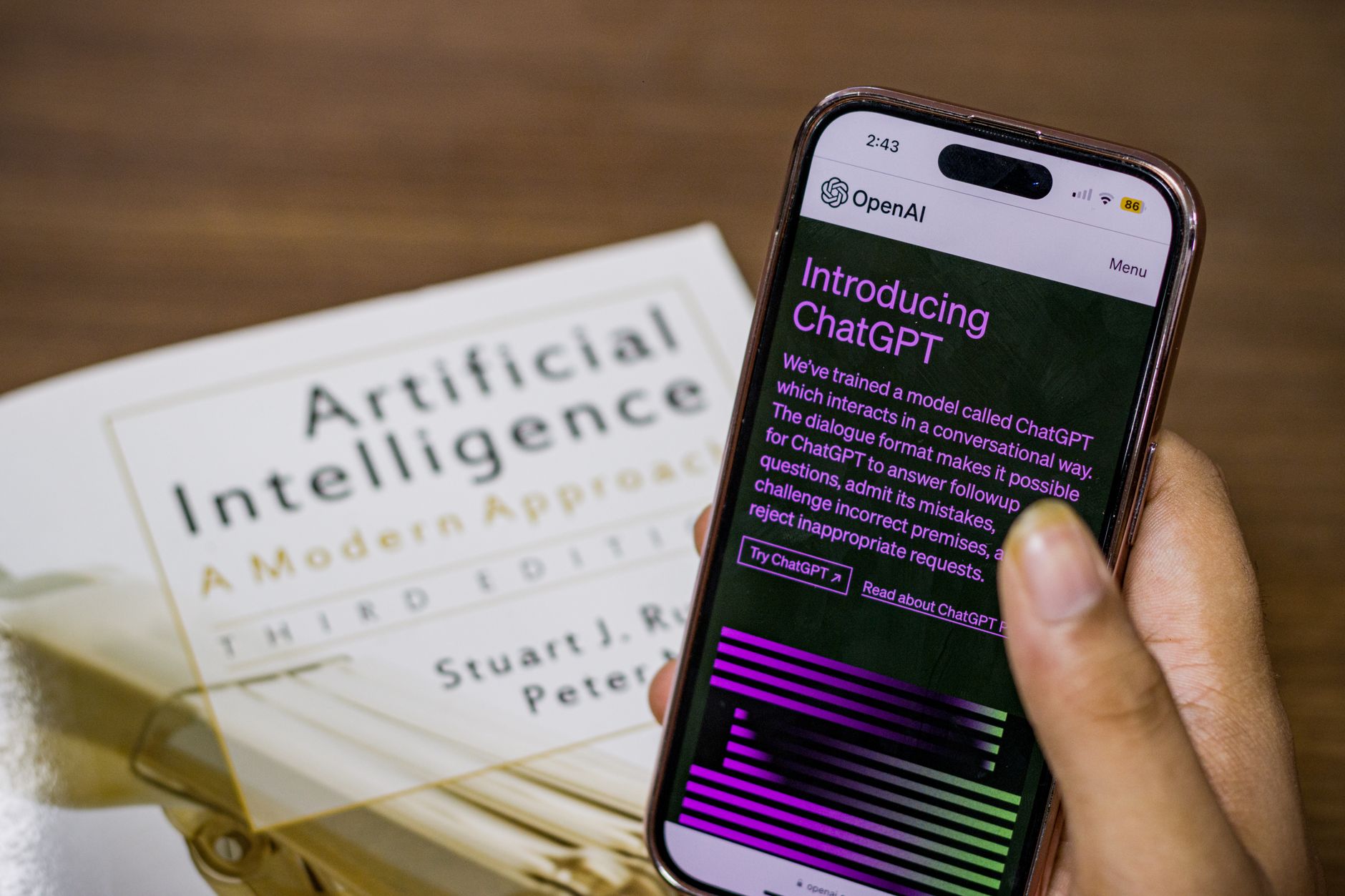
ChatGPT usage by teens is becoming a topic of concern as OpenAI reports that they engage with the tool for under 15 minutes daily. This raises important questions about the associated risks.
Understanding Teen Engagement with ChatGPT
Recent studies indicate that ChatGPT usage by teens has become increasingly prevalent, with many adolescents engaging with the tool for an average of under 15 minutes each day. This brief interaction time raises questions about the implications of such usage on their educational and social development.
While concerns regarding privacy and misinformation persist, it is essential to consider both the risks and benefits associated with this technology. Key factors influencing teen engagement include:
- Access to Information: ChatGPT provides quick answers to various questions, aiding homework and research.
- Creative Expression: Many teens use the platform to brainstorm ideas for writing and projects.
- Social Interaction: Engaging with ChatGPT can foster a sense of companionship.
As discussions about the responsible use of AI tools evolve, ongoing research will be crucial in understanding the full impact of ChatGPT on young users.
The Risks of AI for Young Users
The increasing ChatGPT usage by teens has raised significant concerns among parents and educators. While the technology offers various benefits, it also presents several risks that cannot be overlooked.
One major issue is the potential for misinformation. Teens may encounter inaccurate content, leading to confusion and misinformed decisions. Additionally, the ease of access to AI tools can foster reliance on technology for problem-solving, potentially stunting critical thinking skills.
Privacy is another critical concern, as teens may inadvertently share personal information while interacting with the platform. Moreover, the addictive nature of AI chatbots can lead to excessive screen time, impacting mental health and social interactions.
Awareness and education about these risks are essential, ensuring that young users can navigate the digital landscape responsibly.
Benefits of ChatGPT for Teens
The integration of ChatGPT into the daily lives of teens offers several notable benefits that can enhance their learning and creativity. Many young users are turning to ChatGPT for assistance with their homework, gaining insights and understanding on complex subjects.
Additionally, the platform serves as a valuable tool for improving writing skills. By receiving instant feedback and suggestions, teens can refine their work and express their thoughts more clearly.
Moreover, ChatGPT encourages self-directed learning, allowing teens to explore topics of interest at their own pace. This autonomy fosters a sense of responsibility and critical thinking.
While concerns about ChatGPT usage by teens persist, the positive aspects highlight its potential as an educational resource that complements traditional learning methods.
How Parents Can Monitor AI Usage
As concerns about ChatGPT usage by teens continue to rise, parents play a crucial role in monitoring their children’s interaction with this AI tool. Here are several strategies to help parents effectively oversee AI usage:
- Open Communication: Encourage discussions about what teens are exploring on ChatGPT, fostering an environment where they feel comfortable sharing their experiences.
- Set Guidelines: Establish clear rules regarding the time and manner in which ChatGPT can be used, ensuring it aligns with family values.
- Educate About Risks: Inform teens about the potential dangers of AI, helping them understand how to navigate these challenges responsibly.
- Regular Check-ins: Schedule periodic reviews of their ChatGPT interactions, allowing parents to gauge usage patterns and address any concerns.
Trends in Digital Communication
As digital communication evolves, ChatGPT usage by teens reflects a notable trend towards integrating AI into daily interactions. Recent studies show that teens engage with ChatGPT for an average of under 15 minutes a day, indicating a growing curiosity about AI tools. This brief engagement period suggests that while teenagers are exploring these advanced technologies, they are also balancing their time with other forms of communication.
Moreover, the way teens interact with ChatGPT often mirrors their social dynamics. For instance, they may use the platform to seek homework assistance, brainstorm ideas, or simply engage in casual conversation. However, this trend raises questions about the quality of interactions and potential dependencies on AI for socialization.
Ultimately, understanding these trends is crucial for parents and educators who aim to navigate the complexities of AI in the lives of young users.
The Role of AI in Education
The integration of artificial intelligence in education has sparked significant interest, particularly among teenagers. As ChatGPT usage by teens continues to rise, educators are exploring its potential to enhance learning experiences.
AI tools like ChatGPT can provide personalized support, helping students with their homework, clarifying concepts, and fostering creativity. However, the effectiveness of these tools largely depends on how they are used.
Some key advantages of utilizing AI in classrooms include:
- Accessibility: Students can access information anytime, promoting independent learning.
- Engagement: Interactive AI can make learning more appealing for tech-savvy teens.
- Instant feedback: Real-time responses help students refine their understanding.
While the benefits are clear, ongoing discussions about responsible use and supervision remain crucial.
OpenAI’s Insights on User Behavior
OpenAI’s recent analysis reveals noteworthy patterns in ChatGPT usage by teens. The data indicates that teenagers engage with the platform for an average of under 15 minutes a day, suggesting a measured approach to their interactions with AI technology. This limited usage time may alleviate some concerns regarding over-dependence on artificial intelligence. However, OpenAI also emphasizes the need for ongoing observation of this demographic’s behavior, as the potential risks of AI cannot be ignored.
Among the insights provided, the company highlights that teens often utilize ChatGPT for a variety of purposes, including:
- Homework assistance
- Creative writing prompts
- Social interaction
These findings underline the importance of balancing the benefits of AI tools with awareness of their potential drawbacks.
Future of AI Tools for Teens
The future of AI tools for teens, including ChatGPT, appears promising yet complex. As technology continues to evolve, these tools are likely to become more integrated into daily life and learning environments. While ChatGPT usage by teens is currently limited to under 15 minutes a day, experts predict that this trend may shift as young users become more familiar with AI.
With enhanced features and greater accessibility, these tools could foster creativity and critical thinking. However, the balance between benefits and risks remains crucial. To ensure safe usage, developers must prioritize ethical guidelines and parental controls. Additionally, educational institutions may play a vital role in teaching responsible AI use, equipping teens with the skills to navigate this digital landscape effectively.
Ultimately, the ongoing conversation surrounding AI tools must focus on maximizing benefits while minimizing potential dangers.
While ChatGPT usage by teens can enhance their learning experiences, it also raises concerns about misinformation and dependency. Understanding the balance between the benefits and risks of ChatGPT usage by teens is crucial for parents and educators alike.
Photo by Sanket Mishra on Pexels