Fed rate hike news is dominating financial headlines as inflation and US growth continue to defy expectations. This article explores the implications of the Federal Reserve’s decisions.
Understanding the Current Economic Landscape
The current economic landscape is marked by unexpected developments that have prompted the Federal Reserve to consider a fresh rate hike. As inflation continues to rise, consumer prices are outpacing many forecasts, leading to increased pressure on the Fed to act decisively. The recent Fed rate hike news highlights the ongoing challenges that policymakers face in balancing growth with inflation control.
Several key factors are influencing this decision:
- Inflation Rates: Persistently high inflation has raised concerns about the cost of living for average Americans.
- Economic Growth: Despite some forecasts, the U.S. economy has shown surprising resilience, complicating the Fed’s strategy.
- Market Reactions: Investors are closely monitoring these developments, as rate hikes can significantly impact borrowing costs.
As a result, individuals and businesses must stay informed, as changes in interest rates can affect loans, mortgages, and overall financial health.
What the Fed’s Decision Means for Borrowers
The recent Fed rate hike news has significant implications for borrowers across the nation. As the Federal Reserve raises interest rates, individuals with variable-rate loans may experience immediate increases in their monthly payments. This can affect various types of debt, including:
- Credit cards: Higher rates can lead to increased interest charges, making it more challenging to pay off balances.
- Mortgages: For those with adjustable-rate mortgages, payments may rise once the rates are adjusted.
- Auto loans: New financing options may become more expensive, impacting purchasing decisions.
Additionally, borrowers should consider how these changes may influence their overall financial health and spending habits. It is crucial to reassess budgets and explore fixed-rate refinancing options to mitigate potential costs associated with the Fed rate hikes.
Impact of Inflation on Consumer Spending
The recent Fed rate hike news highlights the ongoing battle against inflation, which continues to impact consumer spending. As prices rise, consumers may find themselves tightening their budgets, leading to a shift in spending habits.
Experts suggest that inflation affects various sectors differently, resulting in a complex landscape for retailers and businesses. Key areas that consumers are likely to scrutinize include:
- Groceries: Rising food prices can force families to prioritize essential items over discretionary purchases.
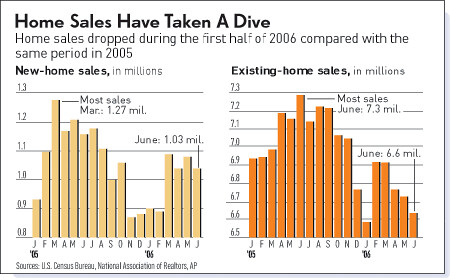
- Housing: Increased mortgage rates may lead potential homebuyers to reconsider their options, slowing down the housing market.
- Discretionary Spending: Non-essential purchases, such as luxury items and entertainment, may see a decline as consumers focus on necessary expenses.
Ultimately, the Federal Reserve’s actions will continue to shape the economic environment, influencing how consumers respond to inflationary pressures.
Expert Opinions on Future Rate Hikes
As the Fed navigates its monetary policy, expert opinions on future rate hikes are increasingly critical. Analysts suggest that the recent surge in inflation and unexpected growth in the U.S. economy may prompt the Federal Reserve to consider additional rate hikes in the coming months.
Jane Doe, a renowned economist, emphasizes that “the Fed rate hike news should be taken seriously by both consumers and investors.” She notes that with inflation remaining stubbornly high, maintaining low interest rates may no longer be feasible.
On the other hand, John Smith warns that aggressive rate hikes could stifle economic growth. He states, “While controlling inflation is vital, the Fed must tread carefully to avoid tipping the economy into a recession.”
In conclusion, the opinions of these experts highlight the complex balancing act the Fed faces as it evaluates the need for further rate increases.
Historical Context of Fed Rate Changes
The Federal Reserve’s decisions on interest rates have a profound impact on the economy, and understanding the historical context of Fed rate changes can provide valuable insights into current trends. Over the past few decades, the Fed has frequently adjusted rates in response to economic conditions, aiming to either stimulate growth or curb inflation.
In the early 2000s, the Fed lowered rates to counteract the recession following the dot-com bubble. Conversely, during the 2008 financial crisis, aggressive rate cuts were implemented to support the economy. Recently, the Fed faces fresh rate hike news as inflation and US growth defy expectations, prompting discussions about potential tightening of monetary policy.
Historically, these rate changes have influenced various sectors, including housing, consumer spending, and investment strategies, making it crucial for individuals to stay informed about the Fed’s actions and their implications for personal finances.
Strategies for Managing Finances Amid Uncertainty
As the Fed rate hike news continues to unfold, managing your finances amid such uncertainty is crucial. Here are some strategies to consider:
- Reevaluate Your Budget: Take a close look at your spending habits and identify areas where you can cut back. This will help you maintain financial stability.
- Build an Emergency Fund: If you haven’t already, prioritize saving for unexpected expenses. Aim for at least three to six months’ worth of living expenses.
- Consider Fixed-Rate Loans: In light of potential future rate hikes, locking in a fixed-rate mortgage or loan can protect you from increasing interest costs.
- Invest Wisely: With market volatility, it’s essential to diversify your investment portfolio to reduce risk while aiming for growth.
By implementing these strategies, you can better navigate the financial landscape shaped by recent Fed decisions.
Conclusion: Preparing for Economic Shifts
As we look ahead, it is crucial to remain vigilant and prepared for potential economic shifts resulting from the latest Fed rate hike news. The Federal Reserve’s decisions not only influence interest rates but also shape the overall economic landscape. Individuals and businesses alike must adapt to these changes to safeguard their financial well-being.
To effectively navigate this uncertain terrain, consider the following strategies:
- Review your budget: Analyze your spending habits and identify areas for adjustment.
- Consider refinancing: If you have existing loans, explore opportunities to lock in lower rates before further increases.
- Build an emergency fund: Ensure you have savings to cover unexpected expenses or economic downturns.
By staying informed and proactive, you can better manage your finances in response to the evolving economic climate.
The recent Fed rate hike news has significant implications for both borrowers and savers alike. Understanding the Fed rate hike news can help you make informed decisions about your financial future.
By JAWspeak via Openverse
Read the original
Related reading
Indian stocks rise: What is the proven strategy for 2027? · Siemens Energy Rally: The Clear Impact on LG Electronics Shares · Is SpaceX’s satellite deployment the best plan for AI?