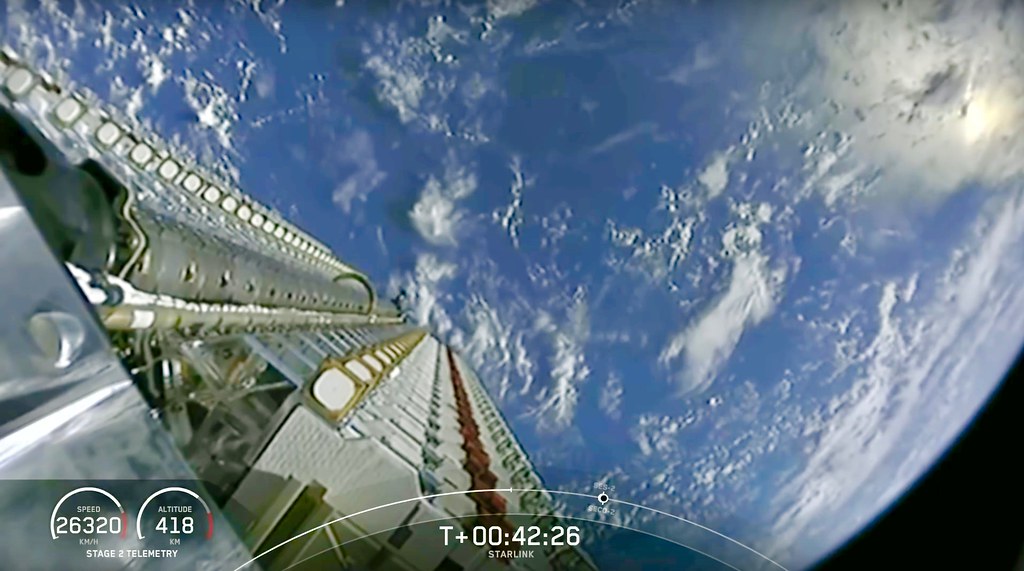
SpaceX satellite deployment is a groundbreaking initiative approved by the US, aiming to launch 1 million satellites for AI data centers in space. This ambitious plan could transform the landscape of data processing.
Overview of SpaceX’s satellite plan
SpaceX’s ambitious satellite deployment plan has garnered significant attention following recent US government approvals. The proposal aims to launch up to 1 million satellites into low Earth orbit, a move that could revolutionize the way data is processed and analyzed for artificial intelligence applications.
Key aspects of SpaceX’s satellite deployment include:
- Enhanced Connectivity: The dense network of satellites will provide high-speed internet access to remote and underserved areas, creating new opportunities for AI-driven solutions.
- Data Collection: With a vast array of satellites in orbit, the infrastructure will allow for real-time data collection, essential for training AI models and improving their accuracy.
- Cost Efficiency: The use of reusable rocket technology reduces the cost of satellite launches, making it feasible to deploy a large number of satellites at once.
- Global Coverage: The deployment will ensure that even the most isolated regions can benefit from advanced AI technologies, bridging the digital divide.
As SpaceX moves forward with its satellite deployment, the implications for AI development and global connectivity could be profound, positioning the company at the forefront of this technological transformation.
Impact of AI on satellite technology
The deployment of satellites by SpaceX has significant implications for artificial intelligence (AI) technology. With the approval of the plan to launch 1 million satellites, experts are examining how this could revolutionize data collection and processing in various sectors.
One of the main impacts of AI on satellite technology includes:
- Enhanced Data Collection: The vast network of satellites will enable real-time data gathering from remote areas, improving the depth and quality of information available for AI algorithms.
- Improved Connectivity: A global satellite constellation can provide internet access to underserved regions, facilitating AI applications in education, healthcare, and agriculture.
- Advanced Analysis: AI can process and analyze the massive amounts of data gathered by these satellites, leading to more informed decision-making in areas such as disaster response and environmental monitoring.
While the potential benefits of SpaceX’s satellite deployment are enormous, there are concerns regarding space debris and the sustainability of such an extensive network. Balancing innovation with responsibility will be crucial as this ambitious project unfolds.
Benefits of deploying 1 million satellites
The deployment of 1 million satellites by SpaceX presents several potential benefits that could significantly enhance global communication and data processing capabilities. As the demand for faster and more reliable data transmission increases, the vast network of satellites could revolutionize the way information is accessed and shared.
One of the primary advantages of this extensive satellite deployment is:
- Global Coverage: With a multitude of satellites orbiting the Earth, connectivity can reach even the most remote areas, ensuring that no region is left behind in the digital age.
- Reduced Latency: The closer proximity of satellites to the ground could decrease the latency experienced in data transmission, particularly beneficial for real-time applications in AI.
- Enhanced Data Collection: A larger number of satellites can facilitate more comprehensive data collection, which is crucial for training AI models and improving their accuracy.
- Sustainability: By leveraging technology for satellite deployment, SpaceX aims to create a sustainable approach to managing space resources while maximizing efficiency.
In summary, SpaceX’s satellite deployment could provide an unprecedented infrastructure for AI data centers, fostering innovation and driving advancements in technology.
Challenges faced by SpaceX
Despite the ambitious vision of SpaceX’s satellite deployment, the initiative faces several significant challenges. First, the technical hurdles associated with launching and maintaining a constellation of 1 million satellites are immense. SpaceX must develop advanced technologies to ensure that these satellites can operate effectively in the harsh environment of space.
Additionally, regulatory obstacles pose a noteworthy concern. Gaining approval from international space agencies and coordinating with other satellite operators will be necessary to avoid collisions in orbit. The potential for space debris is another risk, as a larger number of satellites increases the likelihood of accidents that could threaten both existing and future space missions.
Moreover, the financial investment required for such an extensive satellite deployment is substantial. The cost of manufacturing, launching, and maintaining these satellites could strain SpaceX’s resources, potentially impacting other projects. Lastly, the geopolitical implications of deploying a vast network of satellites may raise concerns among nations regarding data privacy and security.
Addressing these challenges will be crucial for the success of SpaceX’s satellite deployment and its vision for revolutionizing AI data centers in space.
Government approval process explained
The government approval process for SpaceX’s satellite deployment is a critical aspect of the initiative. Regulatory bodies, such as the Federal Communications Commission (FCC), are tasked with ensuring that such expansive plans align with national interests and safety standards.
Initially, SpaceX submitted its proposal detailing the technical specifications and operational frameworks for the deployment of 1 million satellites. This included assessments of potential space debris and interference with existing satellite systems. Following a thorough review, the FCC conducted public consultations to gauge the concerns of various stakeholders, including other space companies, environmental groups, and the scientific community.
Once the evaluations were completed, the FCC granted SpaceX the necessary licenses, emphasizing the importance of adhering to safety protocols and minimizing risks associated with the deployment. Additionally, the National Oceanic and Atmospheric Administration (NOAA) and the Federal Aviation Administration (FAA) provided input on environmental impacts and launch safety.
With the approval secured, SpaceX is now poised to advance its satellite deployment, which is expected to play a pivotal role in enhancing AI capabilities by providing vast amounts of data from space.
Future of AI data centers in space
The future of AI data centers in space is increasingly intertwined with the ambitious SpaceX satellite deployment plan. As the demand for data processing and storage continues to grow, deploying satellites in orbit presents a groundbreaking solution.
Experts believe that establishing a network of satellites can significantly enhance the efficiency of AI operations. By utilizing the advantages of low-latency communication and high-speed data transfer, these satellites can facilitate real-time processing of vast amounts of information. This capability is essential for applications like autonomous vehicles, smart cities, and advanced machine learning algorithms.
Furthermore, the idea of deploying 1 million satellites not only addresses data capacity but also promotes redundancy, ensuring that AI systems remain operational even if some satellites fail. However, this bold vision raises questions about space traffic management and the sustainability of such a large-scale operation.
In conclusion, while the challenges are significant, the potential benefits of SpaceX’s satellite deployment for AI data centers are substantial. Achieving this vision could pave the way for unprecedented advancements in artificial intelligence and global connectivity.
Comparing SpaceX with other satellite companies
When evaluating SpaceX’s satellite deployment strategy, it is essential to compare it with the approaches of other satellite companies in the industry. Several key players have emerged, each with unique methodologies and objectives.
- OneWeb: Focused on providing global internet coverage, OneWeb is deploying a constellation of low Earth orbit (LEO) satellites. Their goals emphasize connectivity rather than leveraging AI for data processing.
- Amazon’s Project Kuiper: Similar to OneWeb, Amazon aims to enhance broadband access but has not explicitly integrated AI into its operational framework, leaving a gap in advanced data applications.
- Iridium Communications: Specializing in voice and data communication, Iridium operates a different model with a smaller satellite constellation, primarily supporting mobile services rather than extensive AI data processing.
In contrast, SpaceX’s approach not only focuses on connectivity but also aims to harness artificial intelligence capabilities through its expansive satellite deployment. This positions SpaceX as a frontrunner in merging satellite technology with AI, potentially transforming how data is managed and processed in space.
Public opinion on Musk’s satellite initiative
Public opinion on Musk’s satellite initiative remains divided, reflecting a mix of enthusiasm and skepticism among various stakeholders. Many supporters argue that SpaceX’s satellite deployment could revolutionize access to data and communication, particularly for AI applications. They highlight the potential benefits of enhanced connectivity, which could drive innovation across multiple industries.
Conversely, critics express concerns about the implications of deploying such a vast number of satellites. Some fear that increased space traffic could lead to higher risks of collisions, ultimately jeopardizing existing satellites and even the International Space Station. Additionally, environmentalists raise alarms about the potential space debris generated from a million satellites, which could create long-term challenges for future space missions.
Moreover, there are worries about the concentration of power in the hands of a single company, with Musk’s initiatives leading to questions about data privacy and monopolistic practices. As the world watches closely, public discourse continues to evolve regarding the balance between the promising prospects of SpaceX’s satellite deployment and the potential risks associated with such an ambitious project.
The SpaceX satellite deployment strategy has sparked debate among experts regarding its potential impact on AI development. Many believe that the SpaceX satellite deployment will provide essential infrastructure for advanced AI applications across the globe.
By jurvetson via Openverse